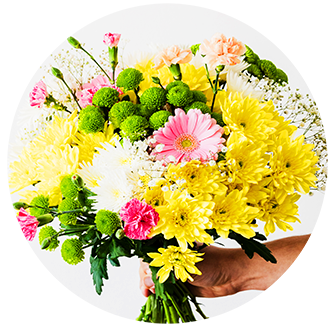
Innovative Approaches to Extend the Life of Your Floral Arrangements
Posted on 01/07/2025
Innovative Approaches to Extend the Life of Your Floral Arrangements
Fresh flowers add a touch of nature and elegance to any setting, but their beauty is, by nature, fleeting. If you adore the charm of bright blooms and wish your bouquets could last longer, you are not alone. Fortunately, recent advancements and inventive tactics offer hope--now, extending the lifespan of floral arrangements is more achievable than ever. In this comprehensive guide, we'll explore innovative ways to preserve and enhance the longevity of your cut flowers, ensuring you enjoy their vibrancy for days--and even weeks--longer.
Understanding What Shortens Flower Life
Before delving into unique methods to prolong your floral arrangements, it's crucial to grasp the factors that shorten their life:
- Bacteria and fungi that contaminate water and stems
- Lack of hydration due to clogged stems or insufficient watering
- Exposure to heat and direct sunlight
- Placement near ripening fruit, which give off ethylene gas
- Improper cutting techniques that prevent proper water uptake
Combating these elements is key to maximizing the lifespan of your bouquets.
Revolutionary Ways to Keep Floral Arrangements Fresh Longer
Thanks to enhanced flower care research and creative trials, numerous cutting-edge strategies now exist to extend the life of flowers. Let's unveil these innovative techniques for prolonging fresh flower arrangements:
1. Embracing Modern Floral Preservatives & Hydration Packs
- Advanced Floral Preservatives: Modern commercial flower preservatives have evolved dramatically. Today's products blend antibacterial agents, pH stabilizers, and sugar to nourish blooms. When dissolved in vase water, they act to reduce microbial growth and sustain color vibrancy. Always follow packet instructions or choose specialized formulations for specific flower types (e.g., roses, lilies, tulips) for optimal results.
- Hydration Packs: These gel-based packs provide a continuous release of water and nutrients directly to the base of stems. Hydration packs are highly effective for bouquets in transit, traveling events, or hot destinations.
2. The Science of Stem Cutting: Diagonal & Underwater Cuts
One of the most transformative flower care techniques is the proper way to trim stems. Here's how to leverage science for lasting arrangements:
- Use sharp, clean shears or a floral knife to minimize tissue damage.
- Cut stems at a 45-degree angle to improve water uptake.
- For extra absorption, cut stems underwater--this prevents air emboli from clogging the stem's water pathways (xylem).
- Re-cut stems every 2-3 days for optimal results.
3. Exploring Anti-Ethylene Solutions
Ethylene gas accelerates flower senescence (aging). Innovative anti-ethylene sachets or solutions, now used in professional floristry, effectively neutralize ethylene's effects, thus slowing wilting and petal drop. If your floral arrangement includes ethylene-sensitive varieties (such as carnations or orchids), seek out these specialty treatments for longer-lasting freshness.
4. Ultrasonic Vase Cleaners: Next-Level Purity
The cleanest water yields the healthiest blooms. Recent developments in ultrasonic vase cleaners (devices emitting ultrahigh-frequency sound waves) actively break down and remove microscopic residues, bacteria, and fungi from vases. With regular use, you'll experience substantially longer vase life for all arrangements.
5. Customized Vase Additives for Home Use
Science meets the kitchen in these trending DIY floral arrangement life extenders. Try these tested additives:
- Vinegar & Sugar: Mix 2 tablespoons of vinegar and 2 tablespoons of sugar per quart of warm water. The vinegar inhibits bacteria; the sugar nourishes the flowers.
- Lemon-Lime Soda: Non-diet sodas (like 7UP or Sprite) are packed with sugar and acid, mimicking professional preservatives. Add 1/4 cup per quart of water.
- Bleach Microdosing: One-quarter teaspoon of bleach per quart of water curbs bacteria and keeps water clear--just don't overdo it, as excess bleach will damage blooms.
- Aspirin Solution: Crush an uncoated aspirin tablet and add to vase water to slightly acidify the water, improving stem hydration especially in woody-stemmed flowers.
Optimizing Environment: Placement and Maintenance Matters
1. Pick the Perfect Spot
Location, location, location! To truly maximize the longevity of your fresh flower arrangements, avoid:
- Drafts from vents or open windows
- Direct sunlight and heat sources (radiators, appliances)
- Areas adjacent to ripening fruits that emit ethylene
- Crowded, poorly ventilated corners
Instead, display your flowers in a cool, shaded area with moderate humidity and good air circulation for best results.
2. Consistent Water Management
- Change the water every one to two days. Don't simply "top off"--empty the vase, clean thoroughly, and refill with fresh water and preservative.
- Trim the stems slightly with each water change to reopen water pathways.
- Remove any leaves submerged below the waterline as these decompose, clouding water and fueling bacterial growth.
- If feasible, mist the flowers daily with a fine spray bottle--this maintains petal hydration, especially in dry climates.
Cutting-Edge Products and Emerging Flower Care Technologies
Today's market offers several innovative floral arrangement preservation products and tools that can make home flower care both easier and more effective:
1. Floral Foam and Water-Absorbing Gels
- Biodegradable floral foams hold stems in place, provide steady moisture, and can be pre-soaked with preservative solutions.
- Advanced hydrogels (crystal gel beads) absorb and slowly release water to floral stems, reducing the risk of dehydration during heat waves or busy schedules.
2. Bluetooth-Enabled Smart Vases
The latest in vase technology includes smart vases equipped with sensors that monitor water level, temperature, and even alert you when it's time for a refresh. Some models maintain ideal vase conditions automatically--making extending the life of flower arrangements virtually effortless.
3. LED Grow Lights for Extended Bloom
If your space lacks natural light, consider supplementing with an LED grow light. These special bulbs emit light at wavelengths that support flower vitality without generating heat. Position the light a few feet from your arrangement, especially in winter or in windowless interiors.

Troubleshooting: Reviving Wilting Blooms
1. Hot Water Immersion Technique
If a flower begins drooping prematurely, try this florist secret:
- Trim the stem and immerse it in very hot (but not boiling) water for 30 seconds to a minute.
- Immediately transfer the stem to cool, clean water and let it rehydrate for a couple of hours.
- This method is especially effective for woody-stemmed varieties like hydrangeas and roses.
2. Cold-Shock Bloom Revival
- If an entire arrangement starts to slacken, place the bouquet (vase and all) in the refrigerator overnight--away from fruits and vegetables.
- This cold-shock method can perk up petals and reset the flower's cellular metabolism for a day or two more of enjoyment.
3. Petal Repair with Floral Adhesives
Innovative clear floral adhesives can repair split or torn petals on certain flower types, maintaining arrangement appearance for special occasions and photo sessions.
Eco-Friendly Methods to Extend Floral Vase Life
The future of floral care is sustainable. Consider these green alternatives for extending the life of floral bouquets:
- Use recycled vases and clean with baking soda and lemon rather than harsh chemicals.
- Opt for organic floral preservatives, now available at specialty florists and online retailers.
- Compost spent flowers and leaves to return nutrients to the earth, closing the sustainability loop.
- Whenever possible, source local, "field-to-vase" flowers that are naturally hardier and require less intensive care.
FAQs: Extending the Life of Your Fresh Flower Arrangements
- What is the best temperature for storing flower arrangements?
Keep flowers at 34-36 ?F (1-2 ?C) overnight if possible, or at regular room temperature (65-72 ?F/18-22 ?C) by day in a cool, draft-free spot. - Which flowers have the longest vase life?
Carnations, chrysanthemums, alstroemeria, and orchids are among the longest-lasting, often exceeding two weeks with proper care. - Can all flowers benefit from flower food?
Most can, but some, like bulb flowers (tulips, daffodils), prefer minimal additives--plain cool water often works best for these.
The Future of Flower Preservation: What's Next?
Innovative approaches for extending the life of flower arrangements continue to revolutionize the world of floral design. Ongoing research focuses on:
- Gene editing for naturally longer-lasting blooms
- Plant-based nanotechnology delivery systems for nutrients
- Biodegradable antimicrobial wraps for eco-friendly transport
- AI-powered floral care apps for real-time guidance and reminders
Excitingly, these trends promise even more robust, beautiful bouquets in homes and events worldwide.
Conclusion: Enjoy Beautiful, Long-Lasting Bouquets with Modern Flower Care
Gone are the days when fresh flowers faded all too quickly. Today, with innovative methods to extend the life of floral arrangements, you can relish your favorite blooms far longer--accentuating your space and uplifting your mood. Remember the basics: keep vases clean, cut stems properly, use the latest preservatives or DIY alternatives, and optimize the environment. With a few modern tricks and a touch of creative science, your next bouquet can remain a radiant centerpiece for longer than you imagined.
Happy flower arranging--and may your blooms last brighter, longer, and more beautifully than ever before!